

![Smart Motorized Light Filtering Roller Shades 70% Blackout Linen Translucent]()
![Smart Motorized Light Filtering Roller Shades 70% Blackout Linen Translucent]()
![Smart Motorized Light Filtering Roller Shades 70% Blackout Linen Translucent]()
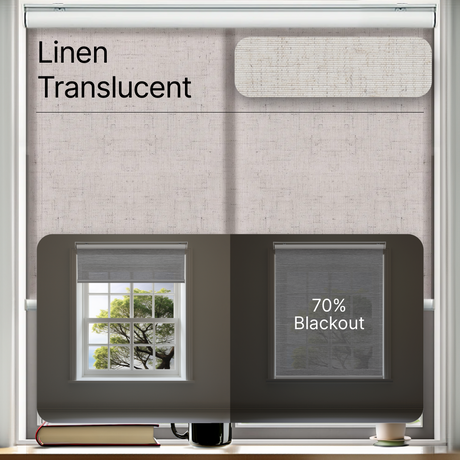
Smart Motorized Light Filtering Roller Shades 70% Blackout Linen Translucent
Price $149.99$299.9850% offUnit price /Unavailable-
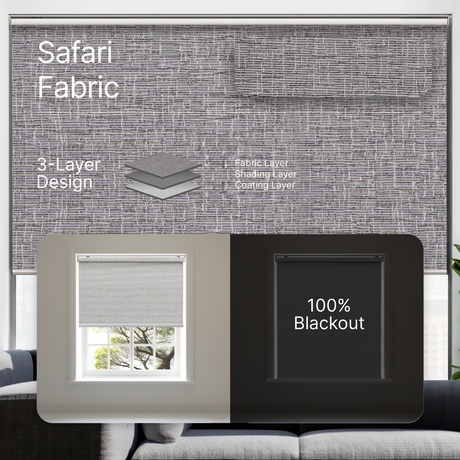
![Smart Motorized Roller Shades 100% Blackout Safari - Beasen]()
![Smart Motorized Roller Shades 100% Blackout Safari - Beasen]()
![Smart Motorized Roller Shades 100% Blackout Safari - Beasen]()
![Smart Motorized Roller Shades 100% Blackout Safari - Beasen]()
![Smart Motorized Roller Shades 100% Blackout Safari - Beasen]()
![Smart Motorized Roller Shades 100% Blackout Safari - Beasen]()
Smart Motorized Roller Shades 100% Blackout Safari
Price $179.99$359.9850% offUnit price /Unavailable -
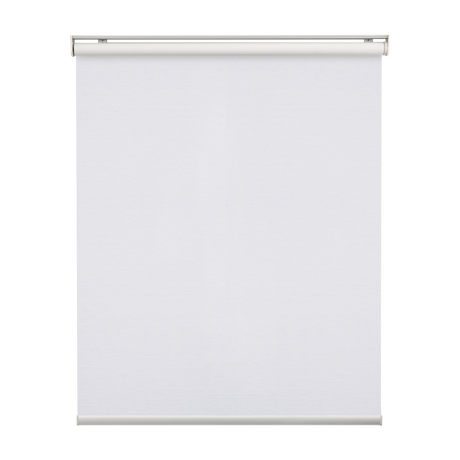
![Smart Motorized Roller Shades 100% Blackout Essential]()
![Smart Motorized Roller Shades 100% Blackout Essential]()
![Smart Motorized Roller Shades 100% Blackout Essential]()
Smart Motorized Roller Shades 100% Blackout Essential
Price $159.99$319.9850% offUnit price /Unavailable -
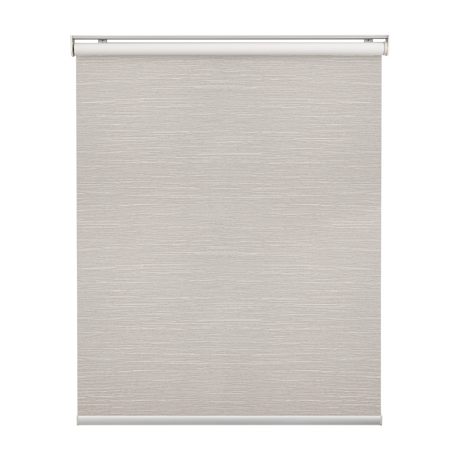
![Smart Motorized Roller Shades 100% Blackout Linen]()
![Smart Motorized Roller Shades 100% Blackout Linen]()
![Smart Motorized Roller Shades 100% Blackout Linen]()
Smart Motorized Roller Shades 100% Blackout Linen
Price $179.99$299.9940% offUnit price /Unavailable -
![Smart Motorized Roller Shades 100% Blackout Sierra]()
![Smart Motorized Roller Shades 100% Blackout Sierra]()
![Smart Motorized Roller Shades 100% Blackout Sierra]()
![Smart Motorized Roller Shades 100% Blackout Sierra]()
![Smart Motorized Roller Shades 100% Blackout Sierra]()
Smart Motorized Roller Shades 100% Blackout Sierra
Price $179.99$359.9850% offUnit price /Unavailable -
![Smart Motorized Light Filtering Roller Shades 50% Blackout Sierra Translucent]()
![Smart Motorized Light Filtering Roller Shades 50% Blackout Sierra Translucent]()
![Smart Motorized Light Filtering Roller Shades 50% Blackout Sierra Translucent]()
![Smart Motorized Light Filtering Roller Shades 50% Blackout Sierra Translucent]()
Smart Motorized Light Filtering Roller Shades 50% Blackout Sierra Translucent
Price $179.99$359.9850% offUnit price /Unavailable -
![Smart Motorized Roller Shades 100% Blackout Meridian]()
![Smart Motorized Roller Shades 100% Blackout Meridian]()
![Smart Motorized Roller Shades 100% Blackout Meridian]()
![Smart Motorized Roller Shades 100% Blackout Meridian]()
![Smart Motorized Roller Shades 100% Blackout Meridian]()
Smart Motorized Roller Shades 100% Blackout Meridian
Price $199.99$333.3240% offUnit price /Unavailable -
![Smart Motorized Solar Shades Light Filtering 5% Openness]()
![Smart Motorized Solar Shades Light Filtering 5% Openness]()
![Smart Motorized Solar Shades Light Filtering 5% Openness]()
![Smart Motorized Solar Shades Light Filtering 5% Openness]()
![Smart Motorized Solar Shades Light Filtering 5% Openness]()
![Smart Motorized Solar Shades Light Filtering 5% Openness]()
Smart Motorized Solar Shades Light Filtering 5% Openness
Price $169.99$283.3240% offUnit price /Unavailable -
![Smart Motorized Dual Zebra Shades 80% Blackout 95mm]()
![Smart Motorized Dual Zebra Shades 80% Blackout 95mm]()
![Smart Motorized Dual Zebra Shades 80% Blackout 95mm]()
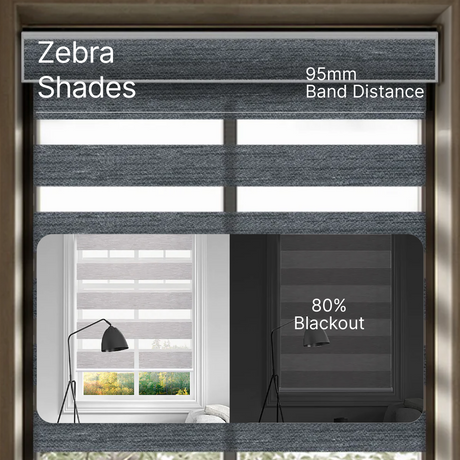
Smart Motorized Dual Zebra Shades 80% Blackout 95mm
Price $179.99$359.9850% offUnit price /Unavailable -
![Smart Motorized Dual Zebra Shades 60% Blackout 75mm - Beasen]()
![Smart Motorized Dual Zebra Shades 60% Blackout 75mm - Beasen]()
![Smart Motorized Dual Zebra Shades 60% Blackout 75mm - Beasen]()
![Smart Motorized Dual Zebra Shades 60% Blackout 75mm - Beasen]()
Smart Motorized Dual Zebra Shades 60% Blackout 75mm
Price $189.99$316.6540% offUnit price /Unavailable -
![Smart Motorized Roller Shades 100% Blackout Vinyl]()
![Smart Motorized Roller Shades 100% Blackout Vinyl]()
![Smart Motorized Roller Shades 100% Blackout Vinyl]()
![Smart Motorized Roller Shades 100% Blackout Vinyl]()
Smart Motorized Roller Shades 100% Blackout Vinyl
Price $159.99$266.6540% offUnit price /Unavailable -
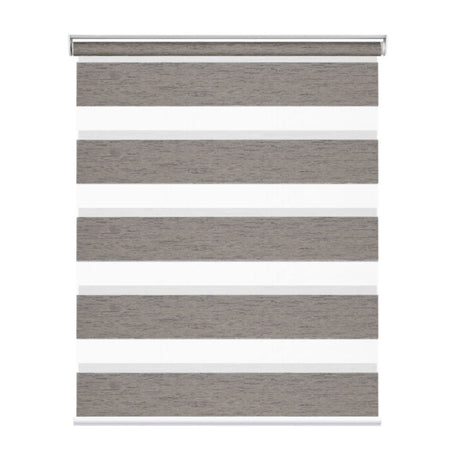
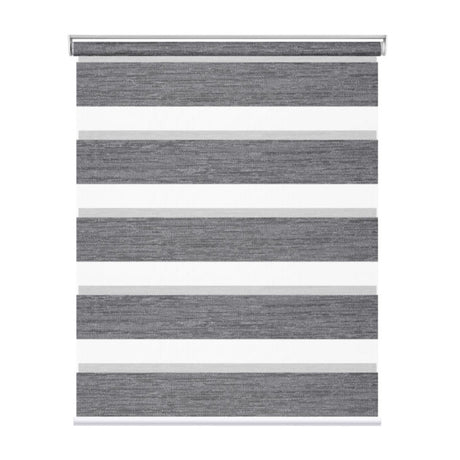
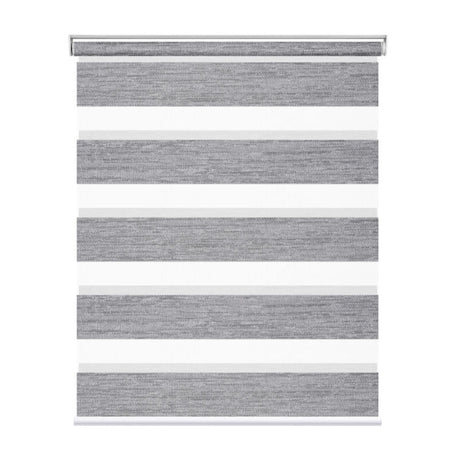
![Smart Motorized Dual Zebra Shades 60% Blackout 95mm]()
![Smart Motorized Dual Zebra Shades 60% Blackout 95mm]()
![Smart Motorized Dual Zebra Shades 60% Blackout 95mm]()
Smart Motorized Dual Zebra Shades 60% Blackout 95mm
Price $189.99$316.6540% offUnit price /Unavailable 
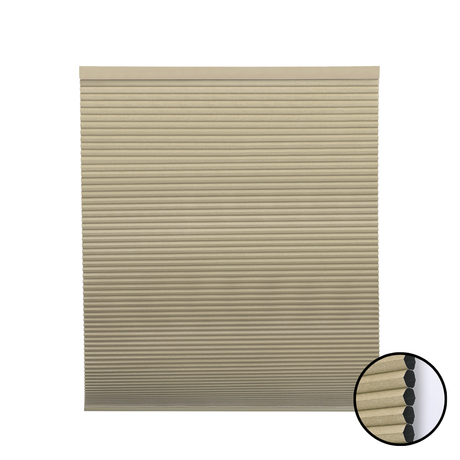
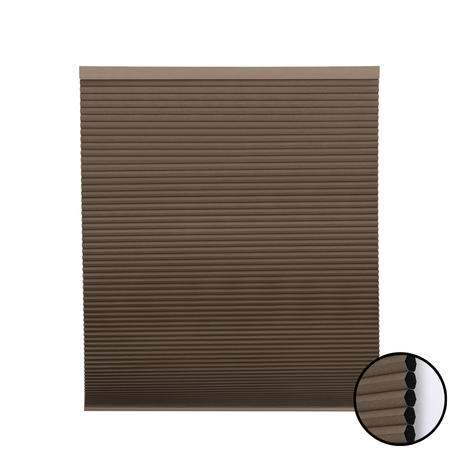
![Smart Motorized Blackout Cellular Shades Hex]()
![Smart Motorized Blackout Cellular Shades Hex]()
![Smart Motorized Blackout Cellular Shades Hex]()
![Smart Motorized Blackout Cellular Shades Hex]() New arrival
New arrival-
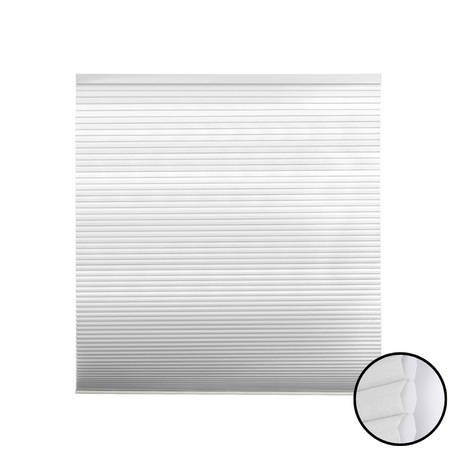
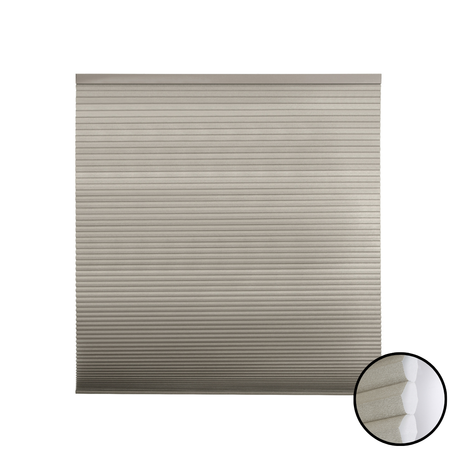
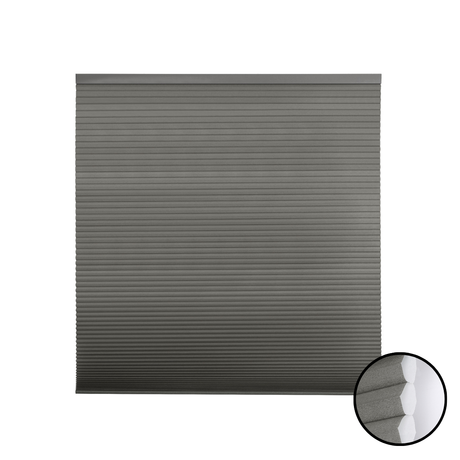
![Smart Motorized Light Filtering Cellular Shades Hex]()
![Smart Motorized Light Filtering Cellular Shades Hex]()
![Smart Motorized Light Filtering Cellular Shades Hex]()
![Smart Motorized Light Filtering Cellular Shades Hex]()
![Smart Motorized Light Filtering Cellular Shades Hex]()
![Smart Motorized Light Filtering Cellular Shades Hex]()
![Smart Motorized Light Filtering Cellular Shades Hex]() New arrival
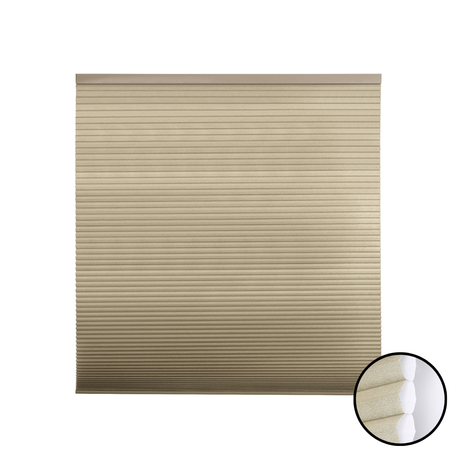
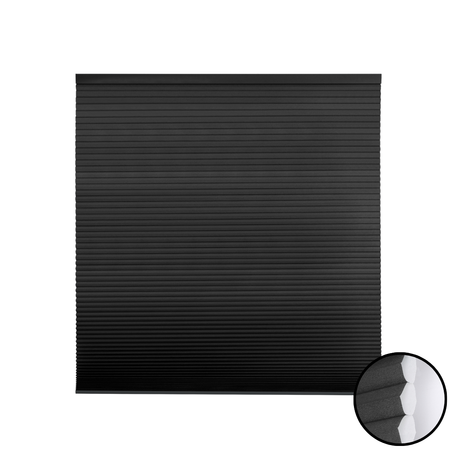
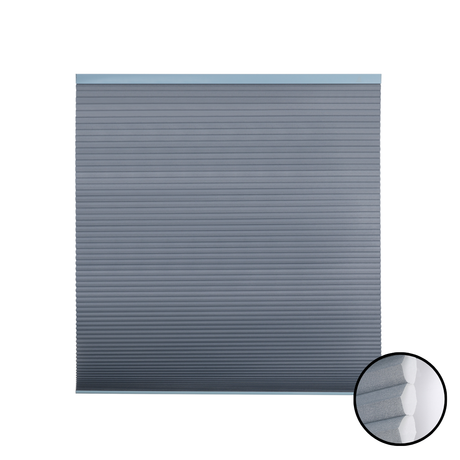
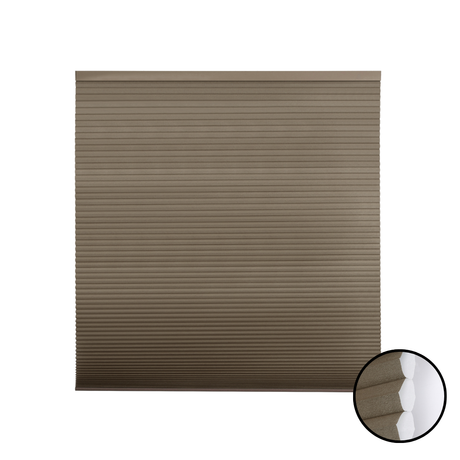
New arrivalSmart Motorized Light Filtering Cellular Shades Hex
Price $169.99$339.9850% offUnit price /Unavailable -
![Smart Motorized Light Filtering Sheer Roller Shades Translucent Vision]()
![Smart Motorized Light Filtering Sheer Roller Shades Translucent Vision]()
![Smart Motorized Light Filtering Sheer Roller Shades Translucent Vision]()
![Smart Motorized Light Filtering Sheer Roller Shades Translucent Vision]()
Smart Motorized Light Filtering Sheer Roller Shades Translucent Vision
Price $199.99$333.3240% offUnit price /Unavailable -
![Smart Motorized Outdoor Shades 5% Openness]()
![Smart Motorized Outdoor Shades 5% Openness]()
![Smart Motorized Outdoor Shades 5% Openness]()
![Smart Motorized Outdoor Shades 5% Openness]()
![Smart Motorized Outdoor Shades 5% Openness]()
![Smart Motorized Outdoor Shades 5% Openness]()
![Smart Motorized Outdoor Shades 5% Openness]()
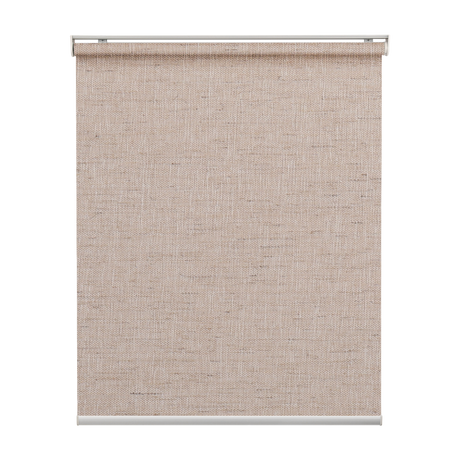
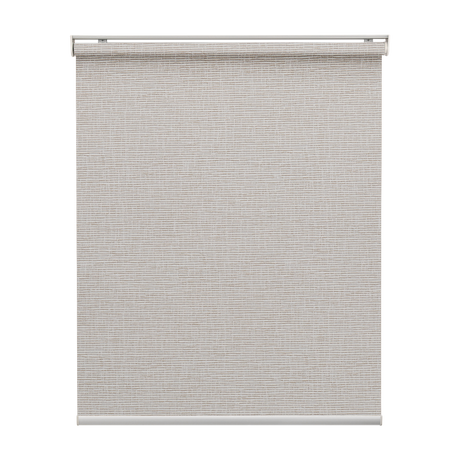
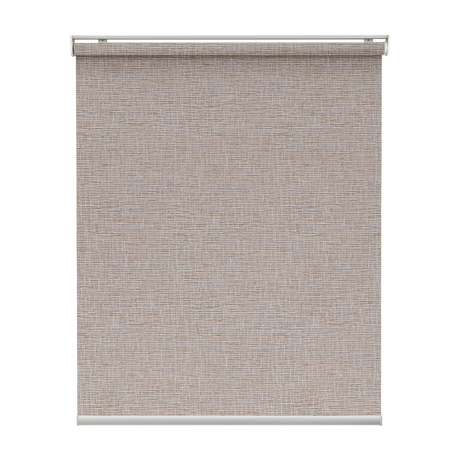
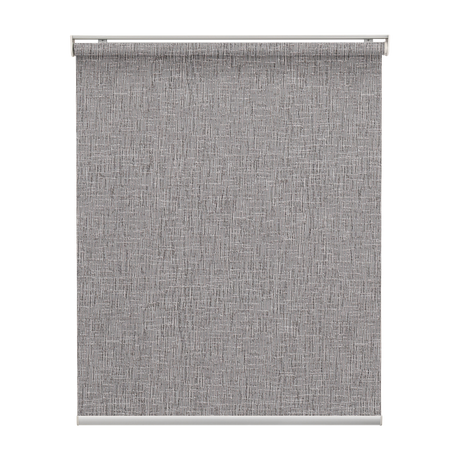
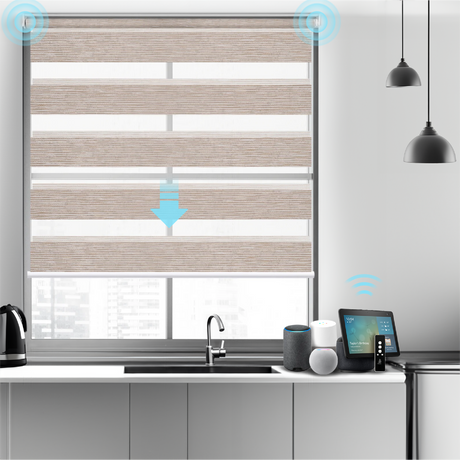
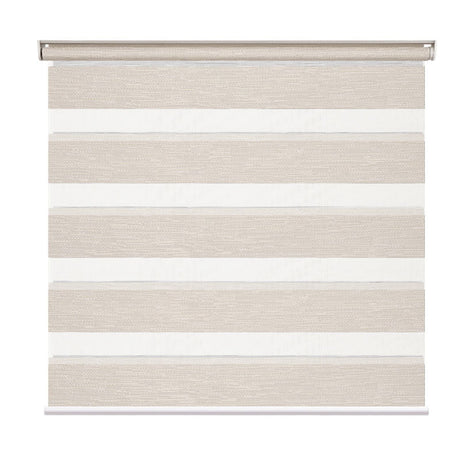
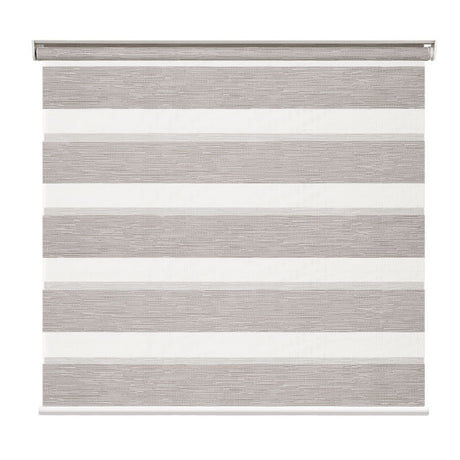
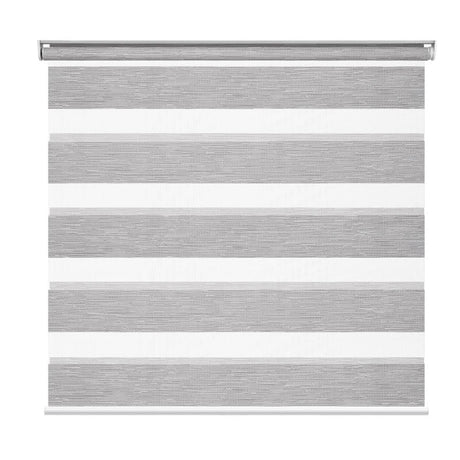


Show collection description
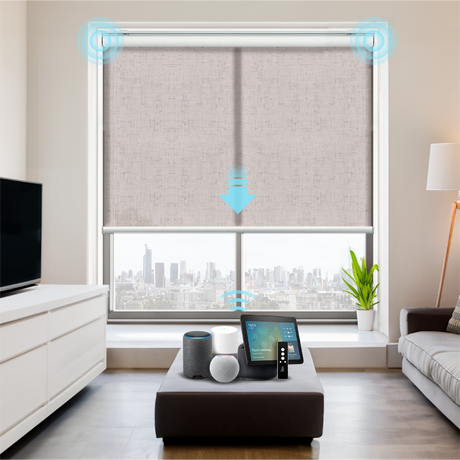
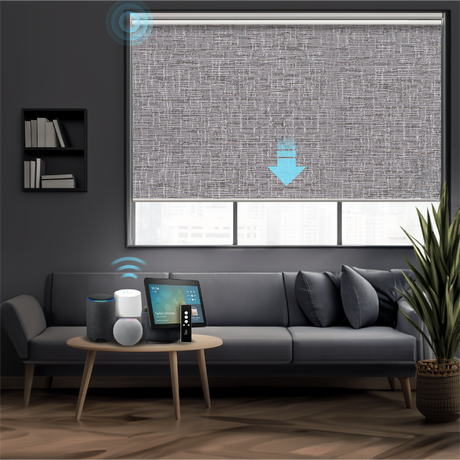
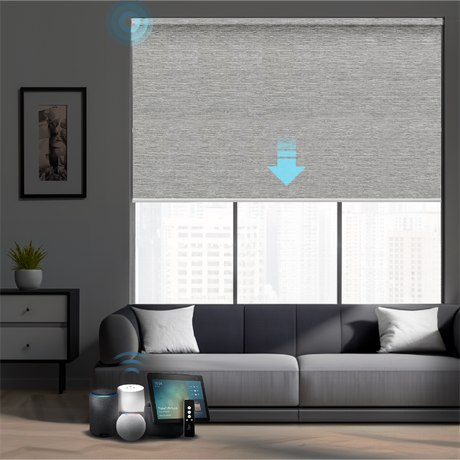
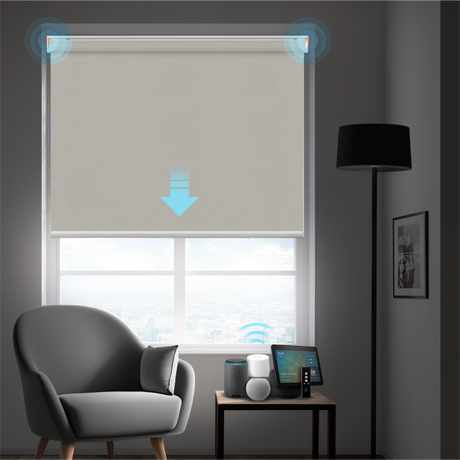
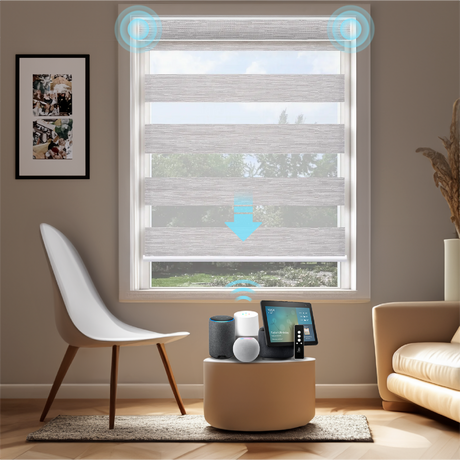
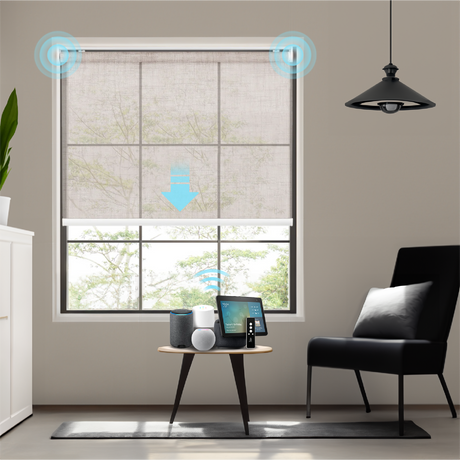
Smart window blinds, also called smart shades, combine modern motor technology with timeless window treatments. Instead of tugging on cords, you simply press a remote, open an app, or even say a voice command to adjust the blinds. Sophisticated sensors allow shades to raise automatically with the morning sun or lower themselves when the afternoon heat hits, making them ideal for today’s connected homes.
What Makes a Blind “Smart”?
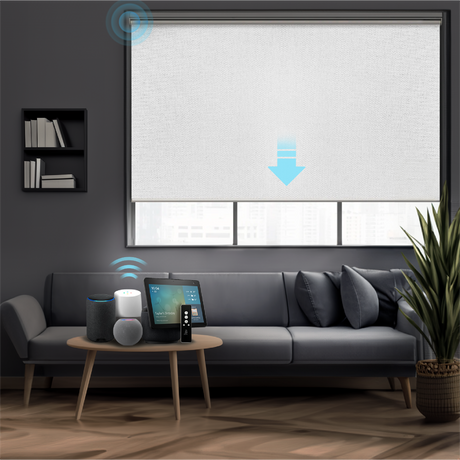
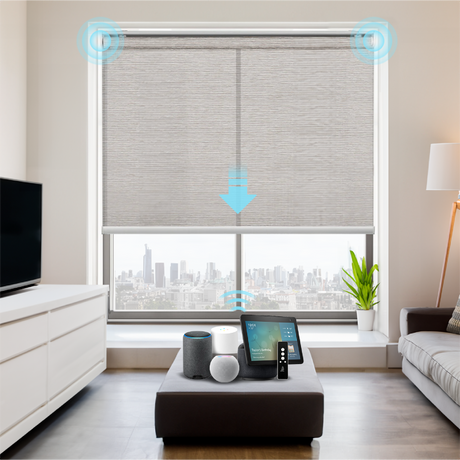
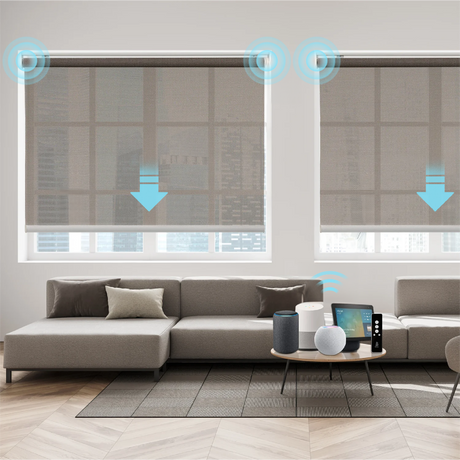
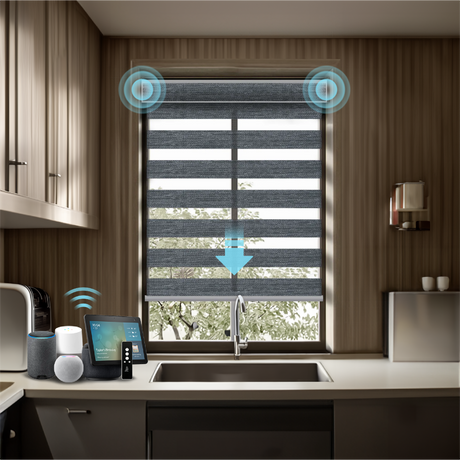
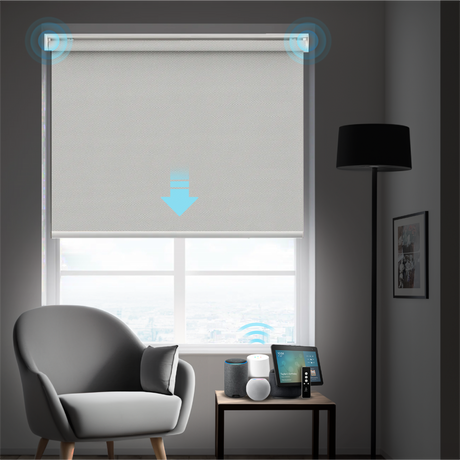
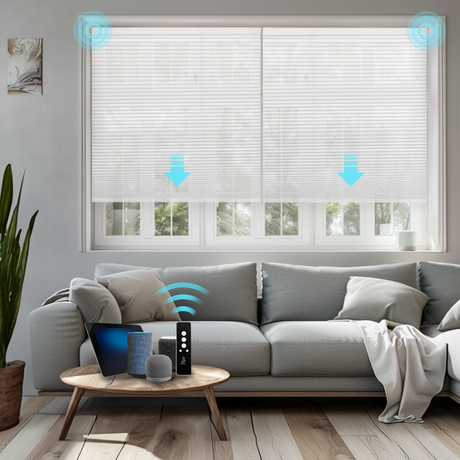
Smart blinds are motorised window coverings that connect to remote controls, mobile apps, or home‑automation systems. A recent buying guide on a home‑improvement blog notes that when choosing smart shades, you should evaluate the setup process, available designs, control methods, and smart functions such as scheduling. Top products allow you to control multiple blinds with one remote, integrate with voice assistants like Alexa or Google Home, and schedule automatic opening and closing times. Power options include plug‑in motors, rechargeable batteries, or solar panels, so you can adapt them to your window locations.
Convenience and Automation
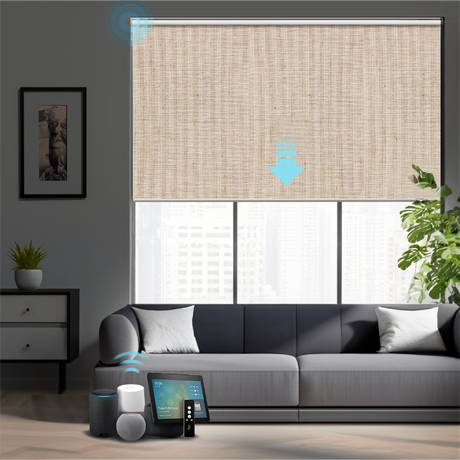
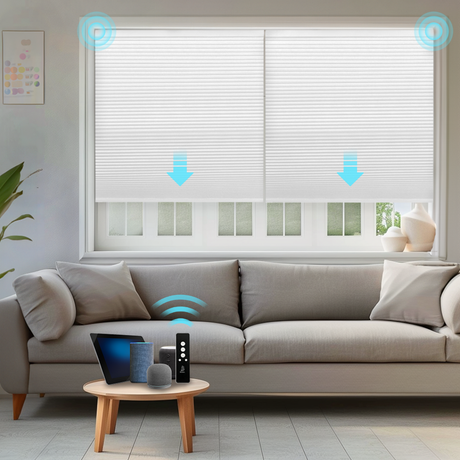
Smart blinds eliminate the daily task of adjusting cords. You can control 15 blinds at once with a single remote, issue voice commands, or use an app to change light levels even when you’re away. Scheduling features let you raise shades in the morning to welcome sunlight and lower them at night for privacy. Such automation not only saves time but also enhances security by creating the impression someone is at home when you’re travelling.
Energy Efficiency and Comfort
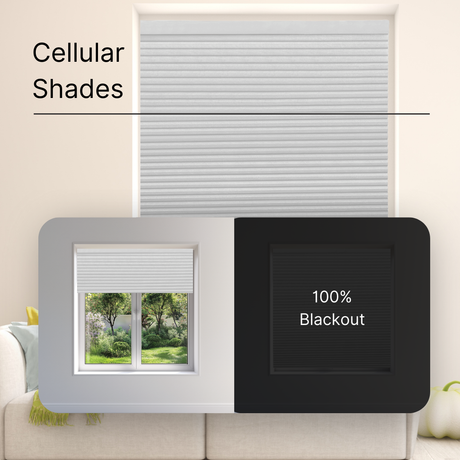
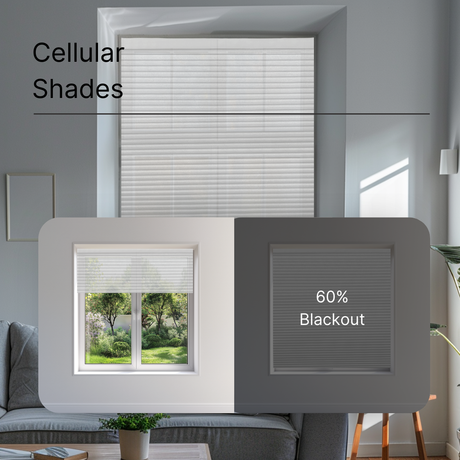
A major trend among modern window treatments is energy efficiency. Cellular shades (also called honeycomb shades) trap air in insulating pockets and can reduce heating and cooling costs by $180-$420 per year. Scheduling your blinds to close during the hottest part of the day prevents solar heat gain and reduces air‑conditioning use. Many smart blinds integrate with smart thermostats to automate these adjustments. For additional insulation, double‑cell cellular shades or blackout fabrics provide even greater thermal protection.
Safety and Accessibility
Traditional blinds with dangling cords pose a strangulation hazard for children and pets. Industry trend reports highlight that cordless designs are a key safety trend. Smart blinds from Beasen Home use cordless motors; you raise or lower them by remote, app or voice command, making them safer and cleaner than corded alternatives. Automation also solves the problem of hard‑to‑reach windows and skylights.
Integration with Smart Home Ecosystems
Modern smart blinds often support protocols such as Zigbee, Z‑Wave or the new Matter standard. A review of smart shades notes that some products require a Matter‑compatible hub (e.g., Apple HomePod, Google Home, or Amazon Echo) to enable voice and app control, while others use Zigbee or Z‑Wave for reliable wireless communication. Beasen Home’s blinds pair with Alexa, Google Assistant, and Apple HomeKit, allowing you to integrate them with lights, thermostats, and security systems.
Types of Smart Window Blinds
A single style rarely suits every room. The right blind depends on whether you prioritise blackout darkness for bedrooms, light filtering for living spaces, or natural textures for organic décor. Below are popular styles with links to Beasen Home collections where you can explore each option.
|
Type |
Characteristics & Benefits |
Explore at Beasen Home |
|
Motorised Roller Shades |
A single fabric panel rolls neatly into a tube when raised. Roller shades offer minimalism, occupy little space, and are easy to clean. They are perfect for modern interiors, reduce glare, and can be specified in blackout or light‑filtering fabrics. |
|
|
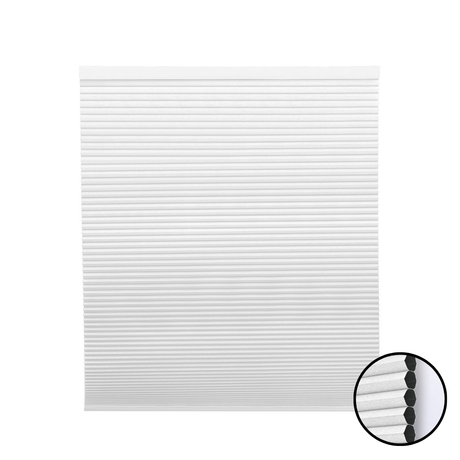
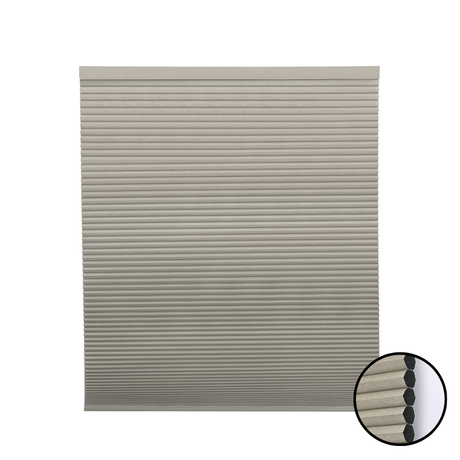
Cellular (Honeycomb) Shades |
Constructed with honeycomb cells that trap air, providing superior insulation and energy savings of up to $420 per year. Available in single‑ or double‑cell designs and in light‑filtering or blackout opacities. |
|
|
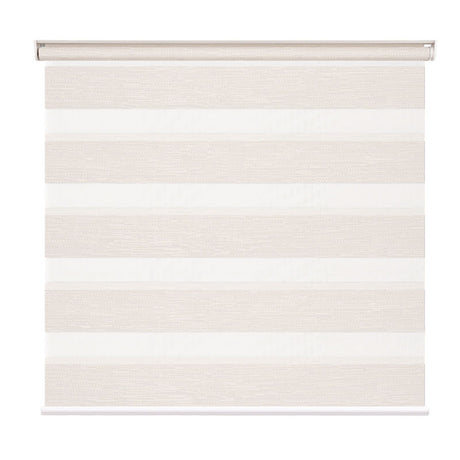
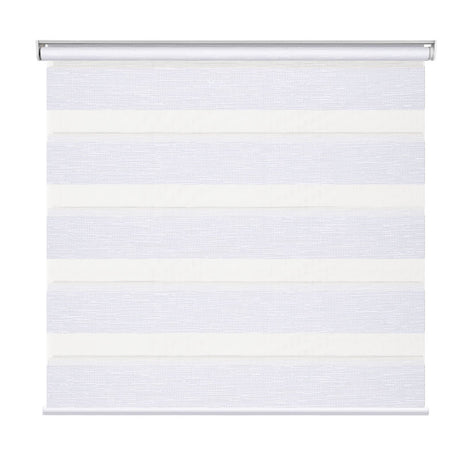
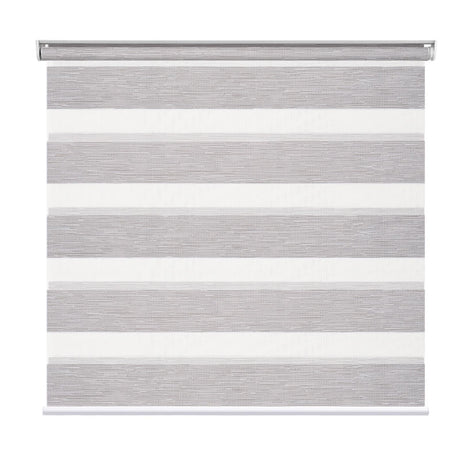
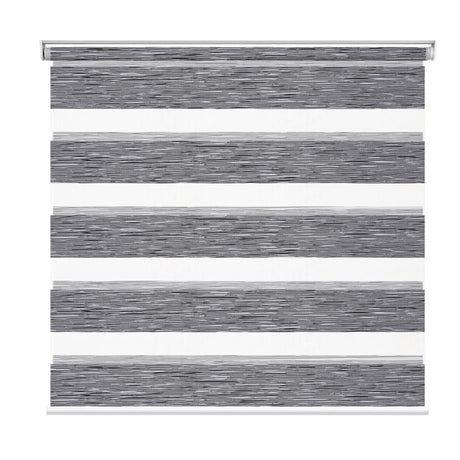
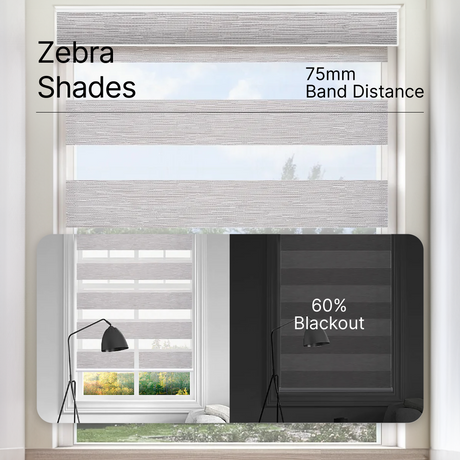
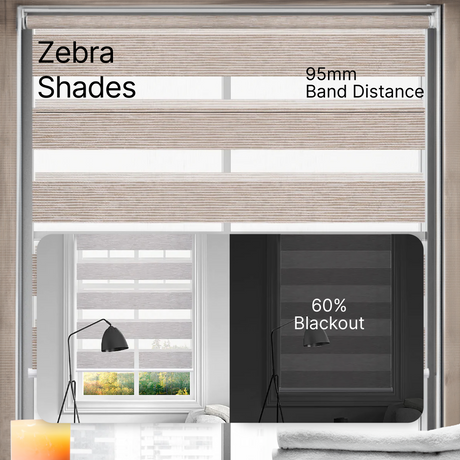
Zebra Shades |
Feature alternating sheer and opaque bands that glide past each other to fine‑tune light and privacy. They offer both a view and privacy without raising the shade completely. |
|
|
Dual Day–Night Shades |
Combine a light‑filtering fabric and a blackout fabric in one headrail, allowing you to switch between soft daylight and complete darkness. |
|
|
Roman Shades |
Fabric pleats fold neatly when raised. Roman shades add a soft, luxurious look while offering light control and insulation. |
|
|
Woven Wood Shades |
Crafted from natural materials like bamboo or wood. Trend reports emphasise a move toward sustainable and organic textures. Woven wood shades introduce warmth and depth to a room. |
How to Choose the Right Smart Blinds?
With so many options, the buying process can feel overwhelming. Here are key factors to consider, distilled from expert guides and Beasen’s own advice:
- Define your goals. Decide whether your primary need is light control, privacy, temperature regulation, or aesthetic appeal. For total darkness and glare control, choose blackout fabrics; for a soft glow, select light‑filtering materials.
- Measure carefully. Smart blinds must fit precisely. Measure window width and height at three locations and decide between inside‑mount (sleek look) and outside‑mount (covers trims) installations. Beasen Home offers custom sizing and promises a perfect fit.
- Consider control methods. Some motors work via a hand‑held remote; others connect to apps or voice assistants. Look for models that support your preferred platform (Alexa, Google Assistant, HomeKit). Many of Beasen’s blinds can control multiple windows with one remote.
- Choose a power source. Decide between plug‑in, battery, or solar power. Rechargeable batteries in Beasen shades last six months and can be charged via USB or solar panel. Battery‑free options require wiring but eliminate recharging.
- Assess smart‑home integration. If you plan to automate shades alongside lights and HVAC, ensure the motor supports protocols like Zigbee, Z‑Wave, or Matter.
- Think long‑term costs. A cost guide on Beasen’s blog lists average prices of $300-$1,000 per window for motorised shades, depending on size, fabric, and motor technology. Higher‑end motors offer quieter operation and greater compatibility. You can view a detailed motorized shades cost guide for budgeting insights.
Are Smart Blinds Worth the Investment?
While the up‑front cost of motorised blinds is higher than traditional treatments, expert reviews emphasise the long‑term benefits. They simplify daily routines, improve comfort, and reduce energy bills. Beasen’s pricing guide notes that smart roller shades start around $159-$209 per window, with roman, cellular, and zebra styles in similar ranges. Factors like window size, fabric choice, motor type, and integration hardware influence the total price. For a detailed breakdown of options and prices, consult Beasen’s smart blinds pricing guide.
In addition to energy savings and convenience, smart blinds add value to your property by modernising its appearance. Trend reports point out that homeowners are gravitating toward minimalist cordless designs and natural textures. Beasen Home’s collection reflects these trends with sleek roller shades, eco‑friendly woven wood options, and versatile zebra shades. To explore whether motorisation suits your home and lifestyle, read the article Are motorized blinds worth it?.
Why Choose Beasen Home for Smart Blinds?
- Quality and innovation. Beasen Home blends premium fabrics with quiet, reliable motors. Their shades are cordless for safety and come in blackout, light‑filtering and sheer options.
- Smart‑home integration. Products pair seamlessly with Alexa, Google Assistant, and HomeKit, enabling voice control and scheduling.
- Energy efficiency. The honeycomb structure of Beasen’s cellular shades provides excellent insulation. Automating opening and closing times further improves efficiency.
- Custom fit and easy installation. Shades are tailored to your measurements and can be self‑installed using the included manual. Rechargeable batteries reduce maintenance.
- Versatility. With collections that include smart window shades, roller shades, cellular, zebra, dual, roman, and woven wood, you can find a style for every room. Not sure which to choose? Beasen’s “What Shades You Should Choose for Your Windows” blog explains the advantages of roller and smart blinds and notes that roller shades are easy to maintain and save space, while smart blinds offer remote, app, and voice control with rechargeable batteries.
Conclusion
Smart window blinds offer a compelling blend of convenience, energy efficiency, and modern aesthetics. They automate light control, integrate with your smart home, and eliminate dangling cords that pose risks. Energy‑saving designs like cellular shades can reduce utility bills by hundreds of dollars, while voice and app controls make daily routines simpler. As trends move toward sustainable materials and cordless safety, investing in smart blinds ensures your home remains stylish and future‑ready.