
Smart Motorized Roller Shades

![Smart Motorized Roller Shades 100% Blackout Safari - Beasen]()
![Smart Motorized Roller Shades 100% Blackout Safari - Beasen]()
![Smart Motorized Roller Shades 100% Blackout Safari - Beasen]()
![Smart Motorized Roller Shades 100% Blackout Safari - Beasen]()
![Smart Motorized Roller Shades 100% Blackout Safari - Beasen]()
![Smart Motorized Roller Shades 100% Blackout Safari - Beasen]()
Smart Motorized Roller Shades 100% Blackout Safari
Price $119.99$239.9850% offUnit price /Unavailable-
![Smart Motorized Roller Shades 100% Blackout Essential]()
![Smart Motorized Roller Shades 100% Blackout Essential]()
![Smart Motorized Roller Shades 100% Blackout Essential]()
Smart Motorized Roller Shades 100% Blackout Essential
Price $109.99$219.9850% offUnit price /Unavailable -
![Smart Motorized Roller Shades 100% Blackout Linen]()
![Smart Motorized Roller Shades 100% Blackout Linen]()
![Smart Motorized Roller Shades 100% Blackout Linen]()
Smart Motorized Roller Shades 100% Blackout Linen
Price $119.99$199.9940% offUnit price /Unavailable -
![Smart Motorized Roller Shades 100% Blackout Sierra]()
![Smart Motorized Roller Shades 100% Blackout Sierra]()
![Smart Motorized Roller Shades 100% Blackout Sierra]()
![Smart Motorized Roller Shades 100% Blackout Sierra]()
![Smart Motorized Roller Shades 100% Blackout Sierra]()
Smart Motorized Roller Shades 100% Blackout Sierra
Price $119.99$239.9850% offUnit price /Unavailable -
![Smart Motorized Roller Shades 100% Blackout Meridian]()
![Smart Motorized Roller Shades 100% Blackout Meridian]()
![Smart Motorized Roller Shades 100% Blackout Meridian]()
![Smart Motorized Roller Shades 100% Blackout Meridian]()
![Smart Motorized Roller Shades 100% Blackout Meridian]()
Smart Motorized Roller Shades 100% Blackout Meridian
Price $129.99$216.6540% offUnit price /Unavailable -
![Smart Motorized Roller Shades 100% Blackout Vinyl]()
![Smart Motorized Roller Shades 100% Blackout Vinyl]()
![Smart Motorized Roller Shades 100% Blackout Vinyl]()
![Smart Motorized Roller Shades 100% Blackout Vinyl]()
Smart Motorized Roller Shades 100% Blackout Vinyl
Price $109.99$183.3240% offUnit price /Unavailable -
![Smart Motorized Light Filtering Roller Shades 50% Blackout Sierra Translucent]()
![Smart Motorized Light Filtering Roller Shades 50% Blackout Sierra Translucent]()
![Smart Motorized Light Filtering Roller Shades 50% Blackout Sierra Translucent]()
![Smart Motorized Light Filtering Roller Shades 50% Blackout Sierra Translucent]()
Smart Motorized Light Filtering Roller Shades 50% Blackout Sierra Translucent
Price $129.99$259.9850% offUnit price /Unavailable -
![Smart Motorized Light Filtering Roller Shades 70% Blackout Linen Translucent]()
![Smart Motorized Light Filtering Roller Shades 70% Blackout Linen Translucent]()
![Smart Motorized Light Filtering Roller Shades 70% Blackout Linen Translucent]()
Smart Motorized Light Filtering Roller Shades 70% Blackout Linen Translucent
Price $119.99$239.9850% offUnit price /Unavailable -
![Smart Motorized Light Filtering Sheer Roller Shades Translucent Vision]()
![Smart Motorized Light Filtering Sheer Roller Shades Translucent Vision]()
![Smart Motorized Light Filtering Sheer Roller Shades Translucent Vision]()
![Smart Motorized Light Filtering Sheer Roller Shades Translucent Vision]()
Smart Motorized Light Filtering Sheer Roller Shades Translucent Vision
Price $129.99$216.6540% offUnit price /Unavailable
Show collection description
Motorized Roller Shades: Benefits, Best Uses & How to Choose the Right One
Sunlight hitting the TV at 4 p.m. Glare on your laptop during a call. Cords you keep out of reach because of the kids. These are small annoyances, but they happen every single day and they're exactly what motorized roller shades are built to solve.
Roller shades are already one of the simplest window treatments around. Add a motor, and they stop being something you operate and start being something that just... happens - on schedule, on command, or on autopilot. If you're weighing whether that upgrade is worth it, here's what actually matters, based on what shoppers ask most and what the room you're covering really needs.
New to the category first? Our guide on what motorized shades are and our breakdown of what roller shades are cover the basics before you dive in here.
Why Homeowners Are Switching to Motorized Roller Shades
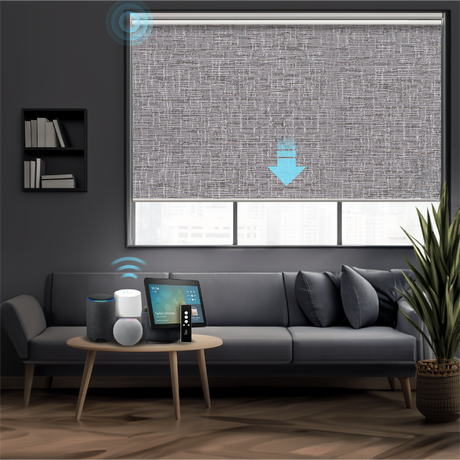
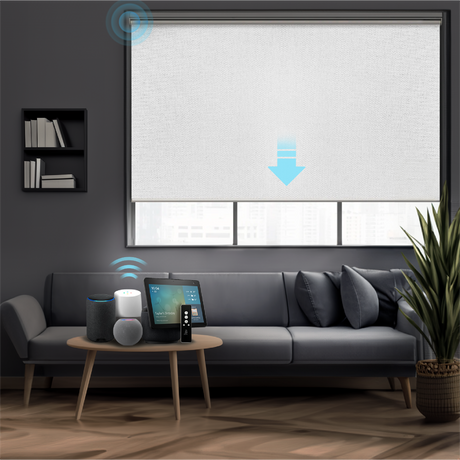
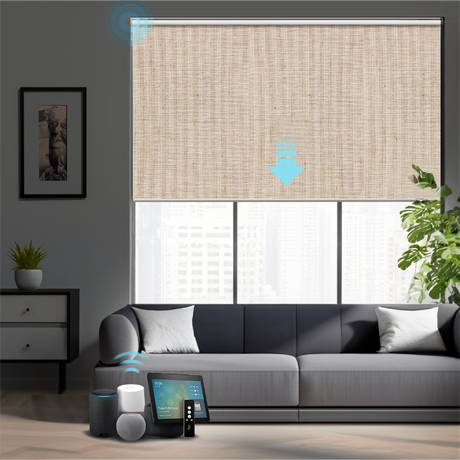
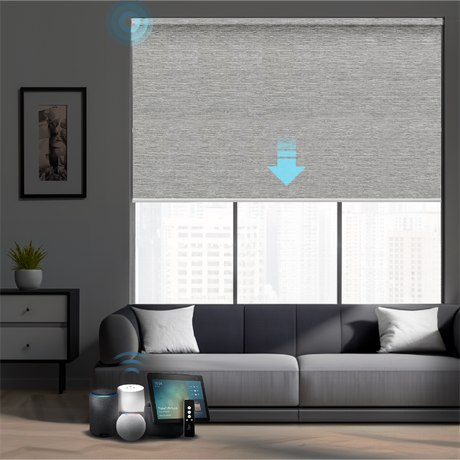
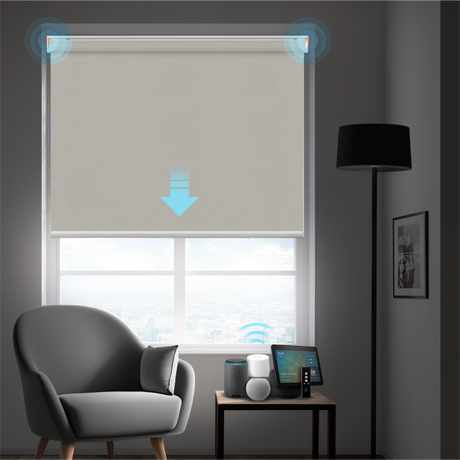
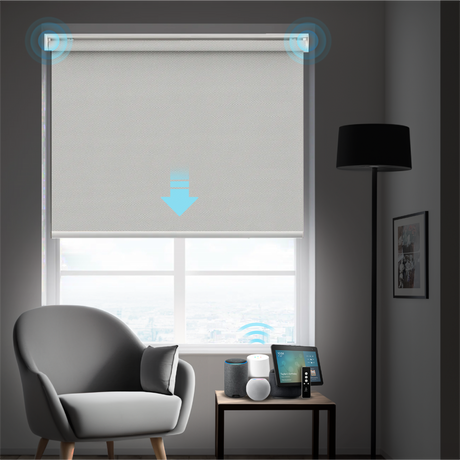
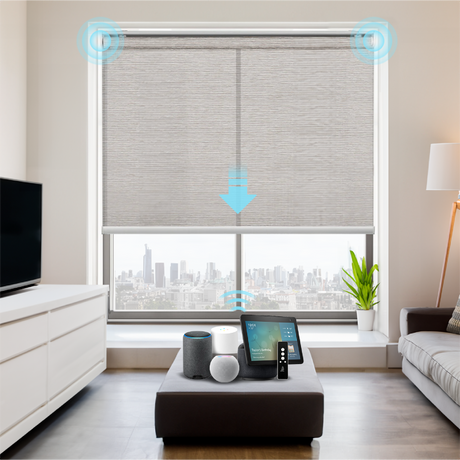
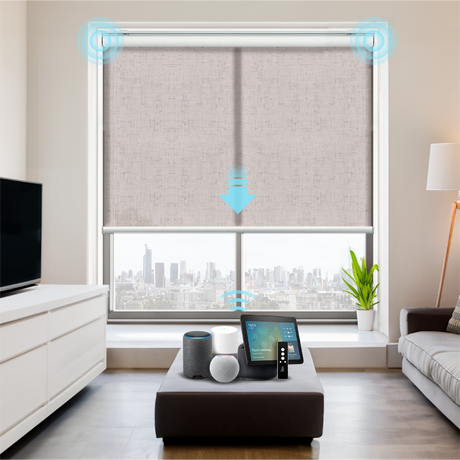
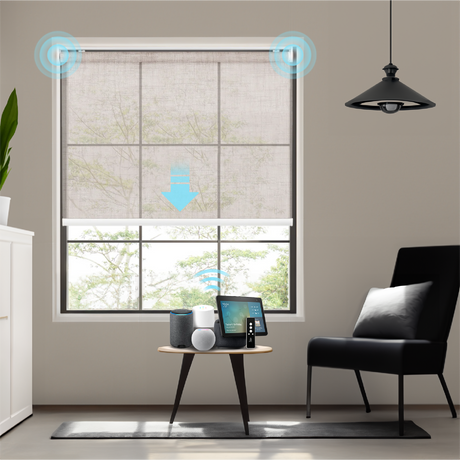
One-tap, whole-room control. A remote, an app, or a voice command replaces walking window to window. Most systems also let you group shades, so "close the bedroom" or "open downstairs" is a single command instead of five separate ones.
Cordless, kid- and pet-safe design. No dangling chains or loops to childproof. This alone is why motorized shades have become the default recommendation for nurseries and family rooms.
Lower energy bills. Scheduling shades to close during peak afternoon sun and open on cooler mornings measurably cuts the heat gain (and heat loss) that happens at your windows - small effort, real savings over a year.
Built-in privacy and security. Set shades to move on a schedule while you're traveling and your home looks lived-in, not empty. No manual reminders needed.
Smart home integration. Beasen's motorized roller shades work with Alexa, Google Assistant, Apple HomeKit, and Samsung SmartThings, so they fit into a routine you've likely already set up. See exactly how that pairing works in our guide to motorized shades with Alexa & Google Home.
A cleaner look that holds its value. No visible hardware, no bulky stack - just fabric that disappears into a neat roll. It's a detail buyers notice when a home goes on the market.
Want the deeper case for and against automation before you commit? Read Are Motorized Shades Worth It?
Blackout or Light Filtering: Pick the Fabric First
The motor handles movement - the fabric handles everything you'll actually notice day to day.
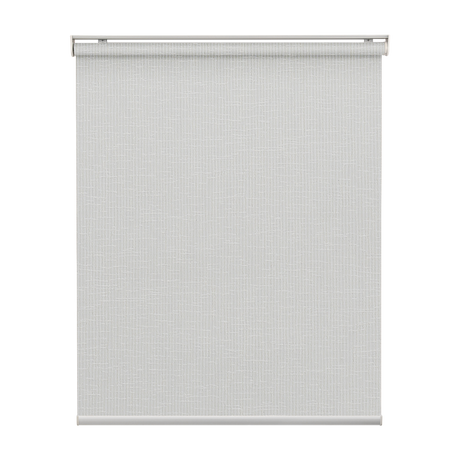
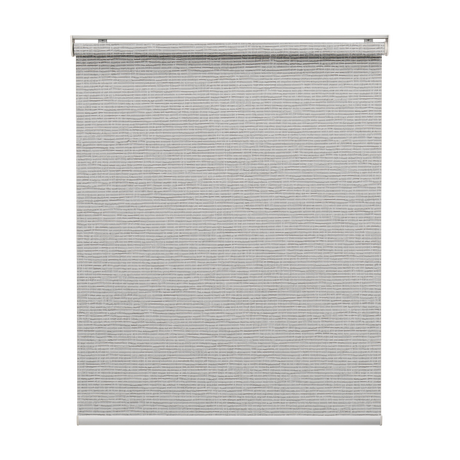
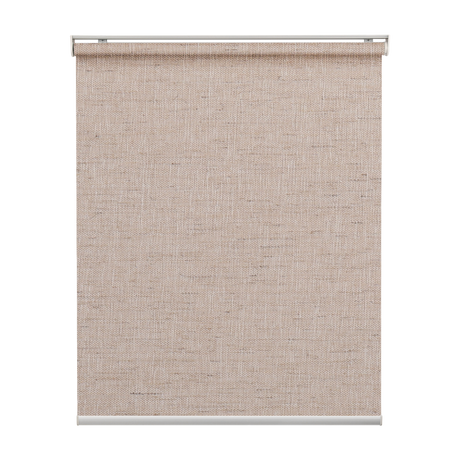
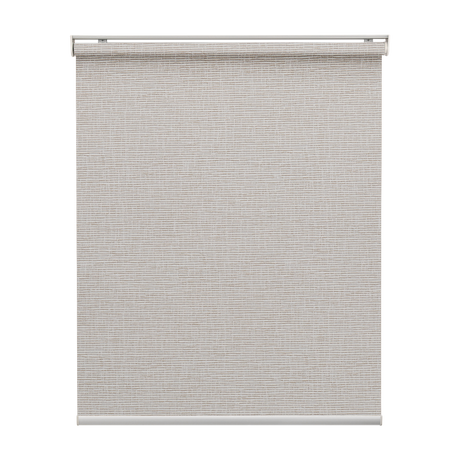
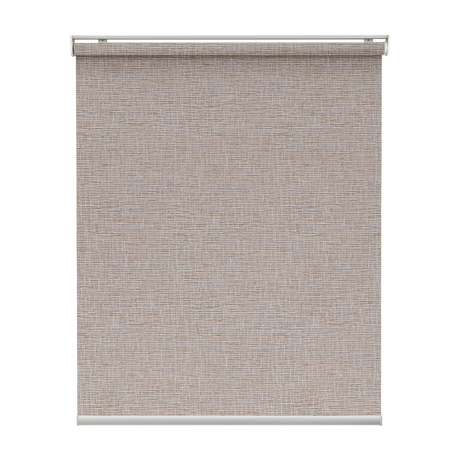
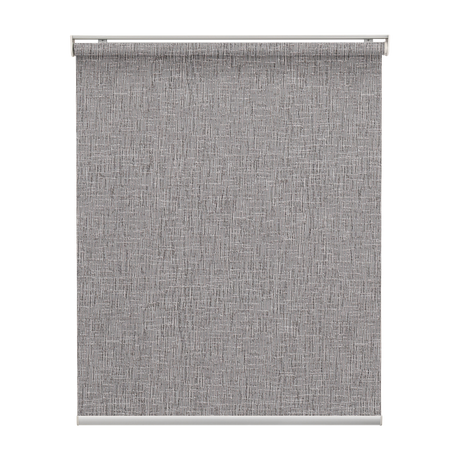
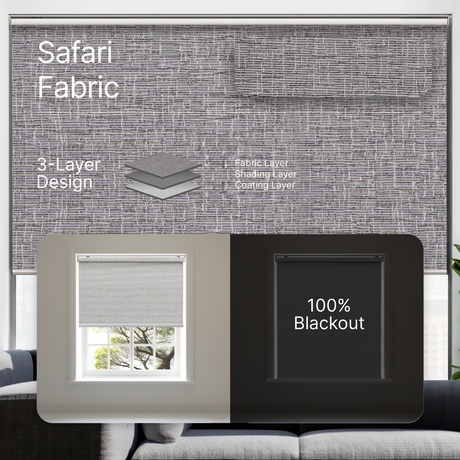
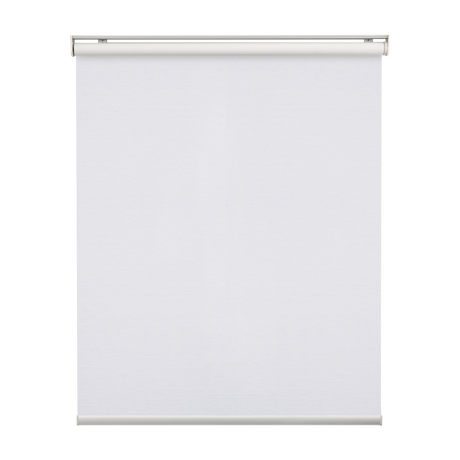
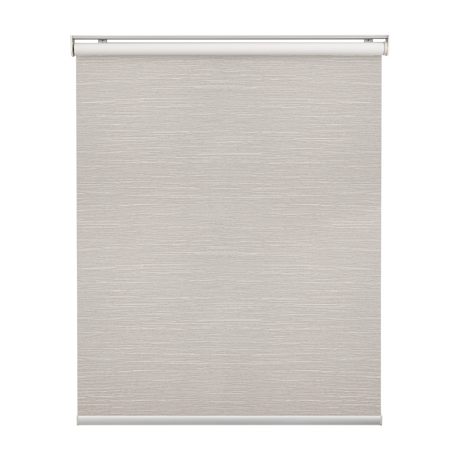
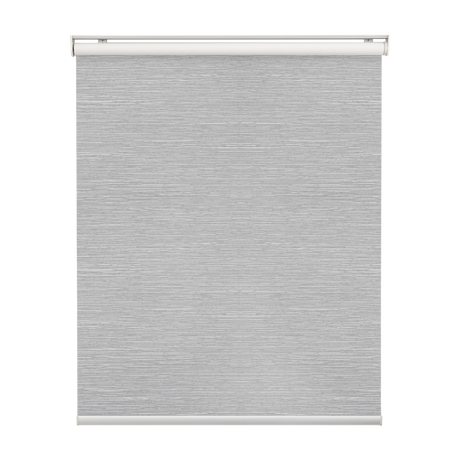
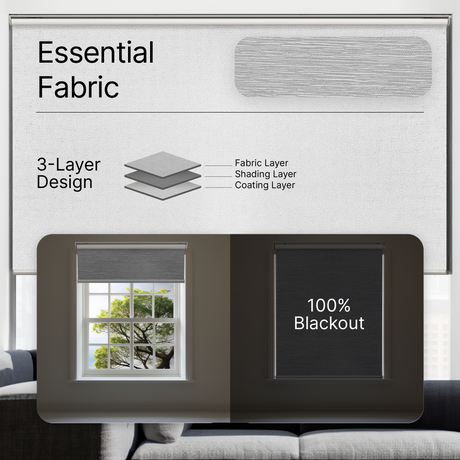
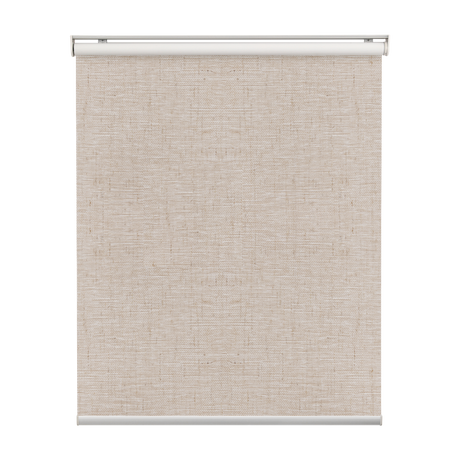
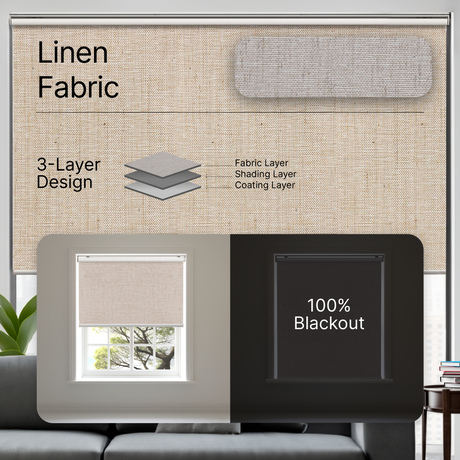
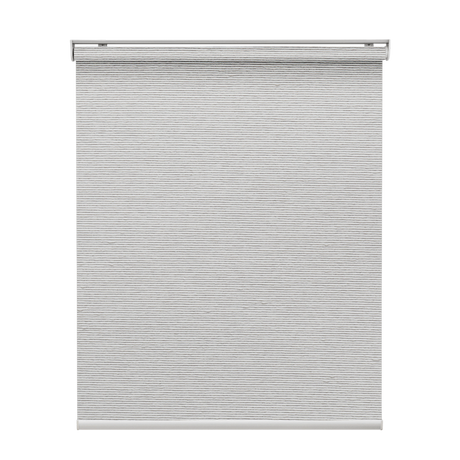
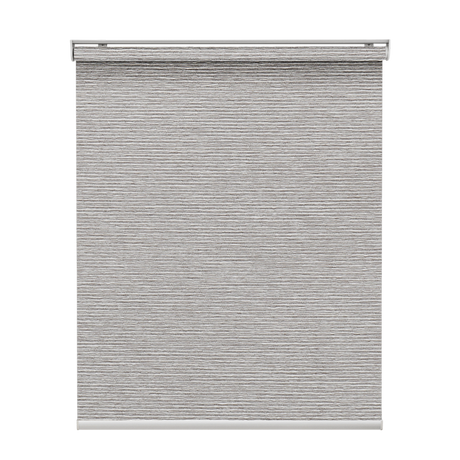
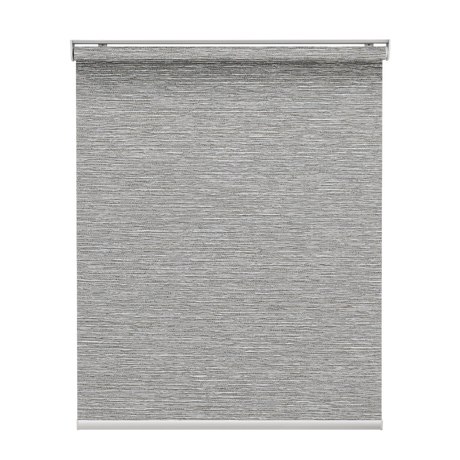
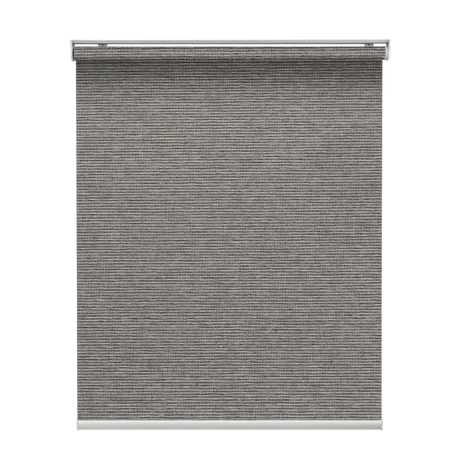
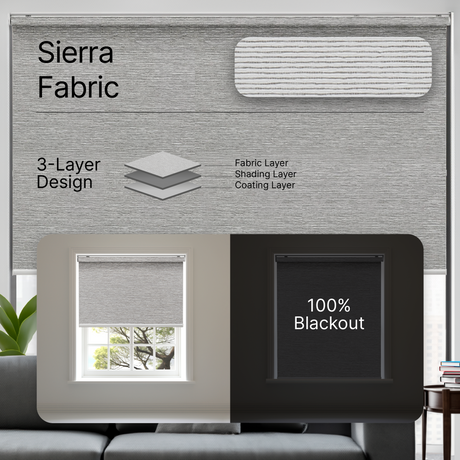
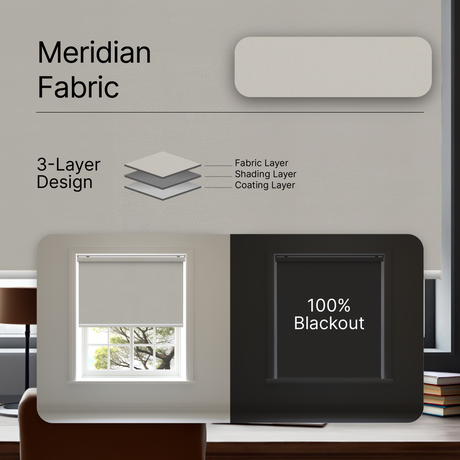
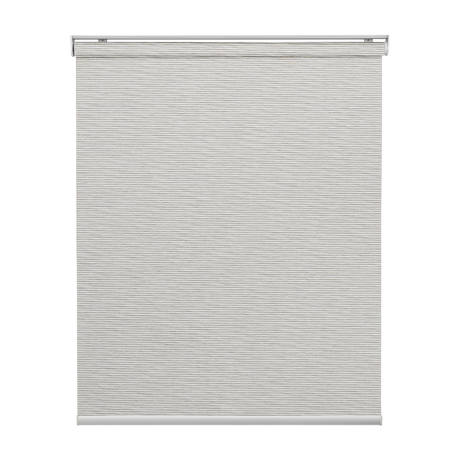
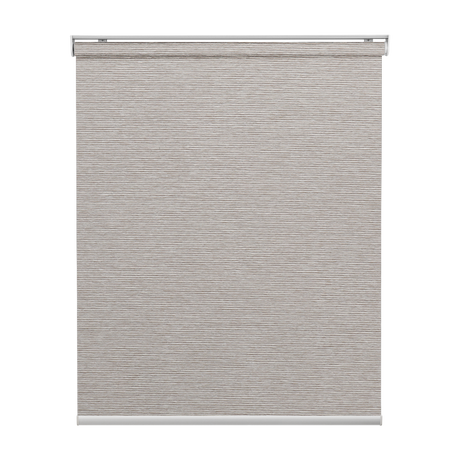
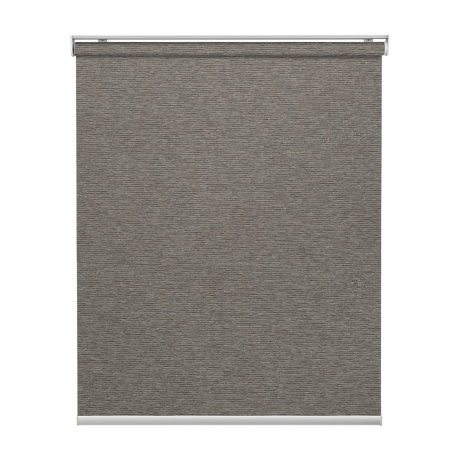
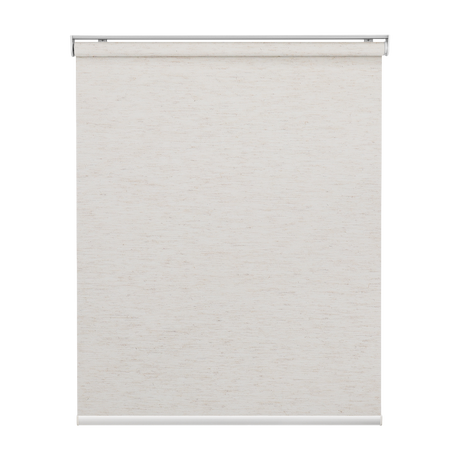
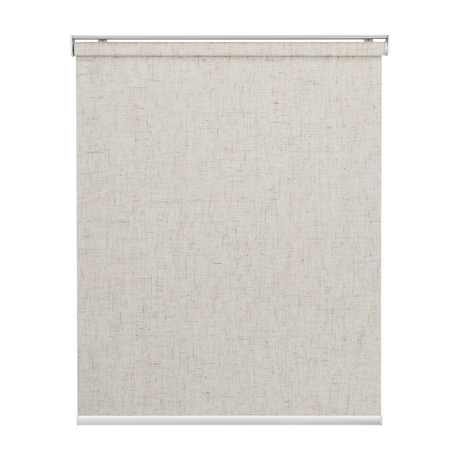
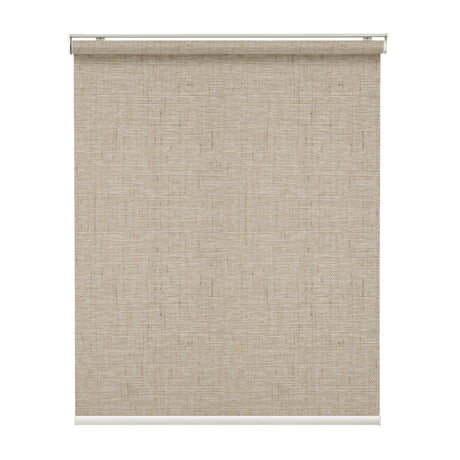
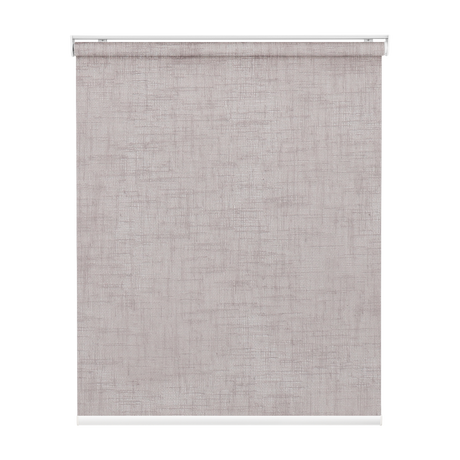
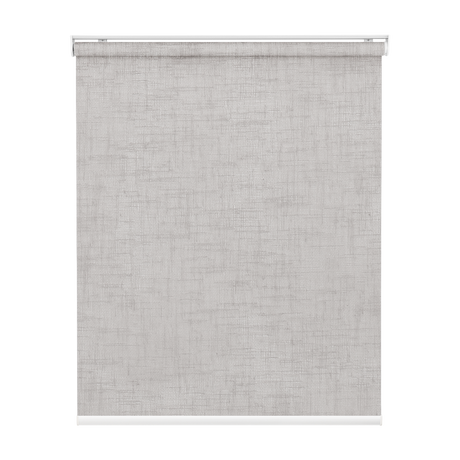
- 100% blackout fabrics suit bedrooms, nurseries, and media rooms where you want real darkness. Beasen's blackout roller shades come in six finishes -Safari,Essential,Linen,Meridian,Sierra, andVinyl - so you can match the room's tone without giving up darkness.
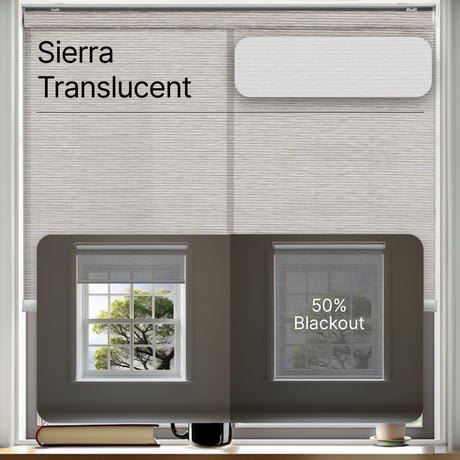
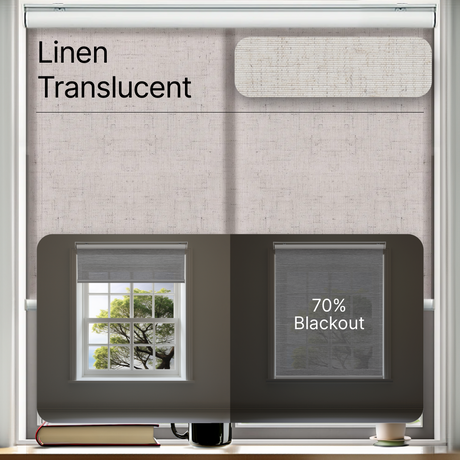
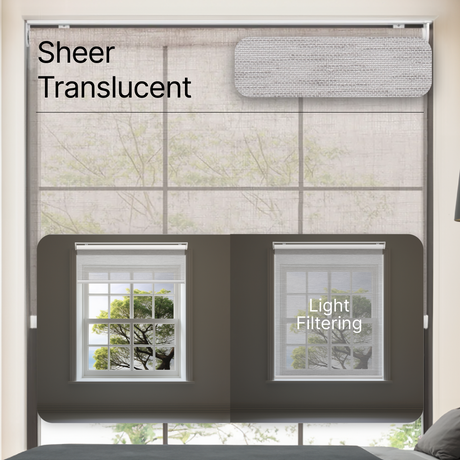
- Light filtering fabrics soften daylight instead of blocking it, which works better for living rooms, kitchens, and offices. Try the 50% Sierra Translucent,70% Linen Translucent, or the sheer Translucent Vision for a softer daytime glow.
Still torn between the two? Light Filtering vs Blackout Shades: How to Choose breaks it down room by room.
Power Source: Battery, Hardwired, or Solar
Battery-powered shades are the easiest install - no electrician, recharge every 6–9 months. Hardwired suits new builds or full-home automation projects. Solar panels keep a battery topped up indefinitely, ideal for hard-to-reach windows. Beasen's solar panel accessory pairs with any battery unit, and a smart link hub unlocks app and voice control. For the full comparison, see How Are Motorized Shades Powered?
Matching the Shade to the Room
- Bedroom: blackout fabric, scheduled to close at night - see our bedroom shade guide.
- Kitchen: light filtering, easy to wipe clean.
- Home office: light filtering to cut screen glare without dimming the room.
- Bathroom: simple, moisture-friendly fabric for privacy.
- Large windows and patio doors: motorization matters most here - manual lifting gets awkward fast at that width.
What Do They Cost?
Pricing depends on window size, fabric, and motor type - but it's more accessible than most people expect once you compare it against professional installation elsewhere. Our motorized shades pricing guide walks through what drives the number up or down, so you can budget with confidence before you shop.
Frequently Asked Questions
1. Are motorized roller shades safe for kids and pets?
Yes - the cordless design removes the strangulation risk that comes with chains and loops, which is the main reason parents choose them for nurseries and playrooms.
2. Can I control several shades at once?
Yes. Beasen's remotes and app support shade groups, so a whole room or floor can move together.
3. Do they work with my existing smart home setup?
If you're on Alexa, Google Assistant, Apple HomeKit, or SmartThings, yes - full details are in our smart home compatibility guide.
4. Is motorization worth the extra cost over manual shades?
For large windows, hard-to-reach rooms, bedrooms, and anywhere kids or pets are around - most owners say yes. For a single small window you rarely touch, manual may be enough. Our pros-and-cons breakdown can help you decide.
Ready to Automate Your Windows?
Whichever fabric or power source fits your home, the upgrade comes down to the same thing: shades that work on your schedule instead of the other way around. Browse the full motorized roller shades collection to compare finishes, colors, and pricing, or start with our remote control motorized blinds guide if you want to see exactly how the controls work before you order.


